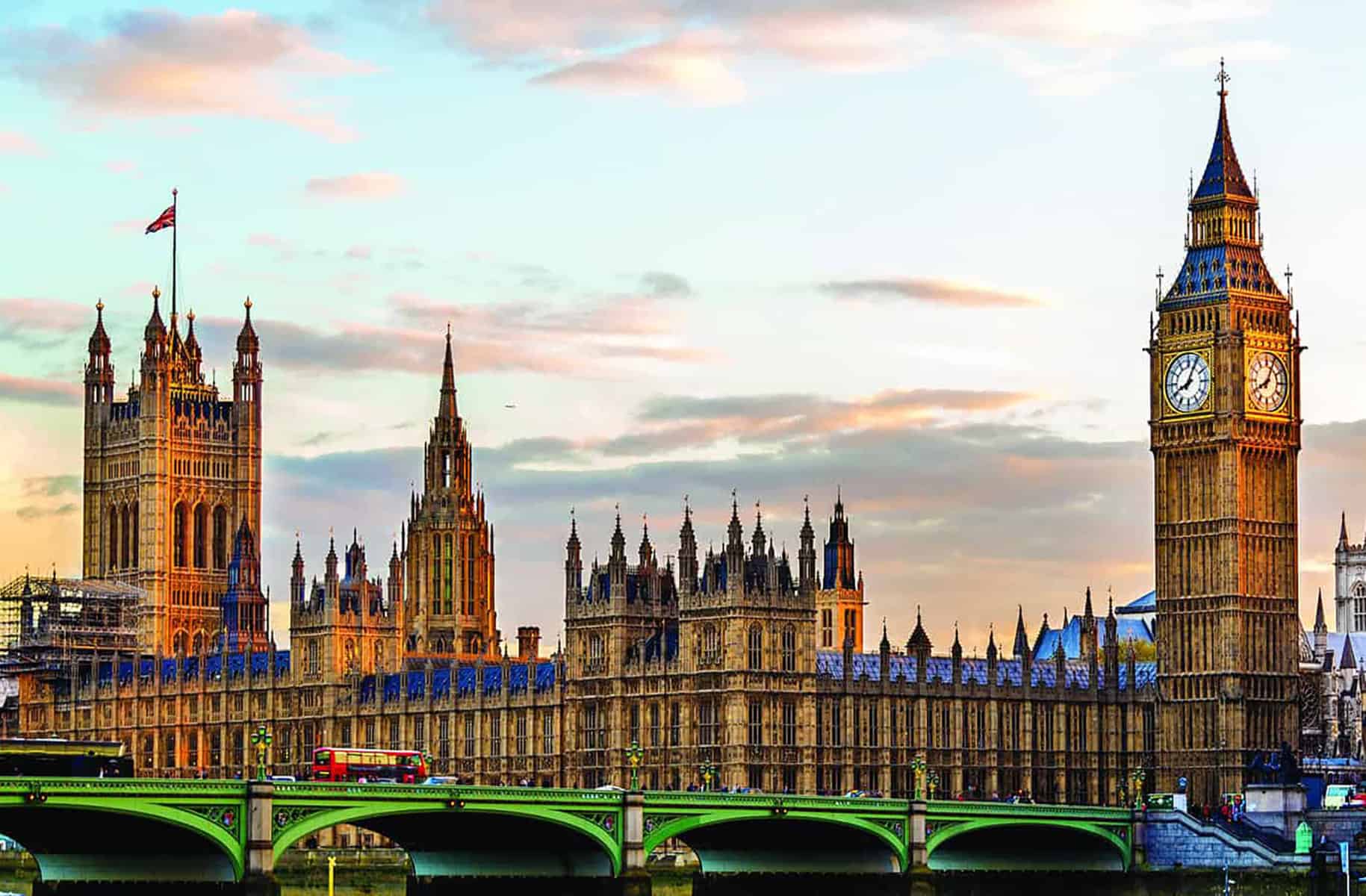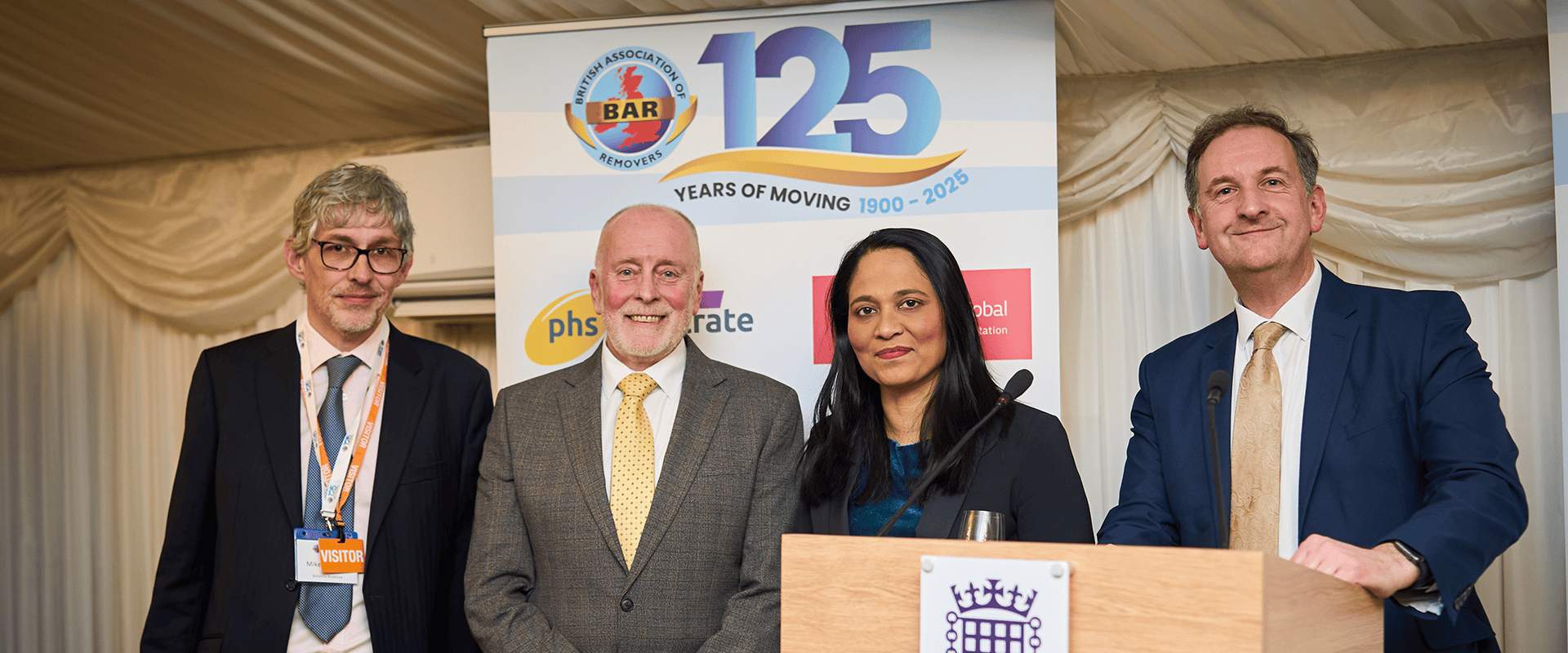
On March 4th, 2025, the British Association of Removers celebrated an extraordinary milestone – the 125th anniversary of its founding – with its first-ever Parliamentary Reception at the iconic Palace of Westminster. Hosted in the heart of UK governance, this event brought together an impressive array of industry leaders, stakeholders, policymakers, MPs, and VIPs, all united in recognition of the BAR and the removals and storage industry’s vital role in the UK economy.
Attendees arriving earlier in the day made the most of the unseasonally warm and sunny London weather, and although the temperature had begun to drop by the time they made their way to the venue there was a warm buzz of excitement about the evening to come. Once through security the attendees were directed through halls and corridors, taking in the grandeur and splendour of the architecture and statuary of the Houses of Parliament, until arriving at the Reception venue, the Terrace Pavilion. This purpose-built heated marquee with its panoramic glass doors offered guests uninterrupted views of the river Thames, opening out onto the outdoor Terrace for those wishing to grab some air or take photos of the stunningly lit South Bank and London Eye opposite.
With over 180 attendees present including BAR Members, Affiliates, Parliamentarians, and numerous other guests, the Pavilion was soon filled to near capacity, with dozens of conversations creating a lively atmosphere punctuated by the laughter and exclamations of old colleagues and new acquaintances.

Matt Turmaine MP gave a passionate speech
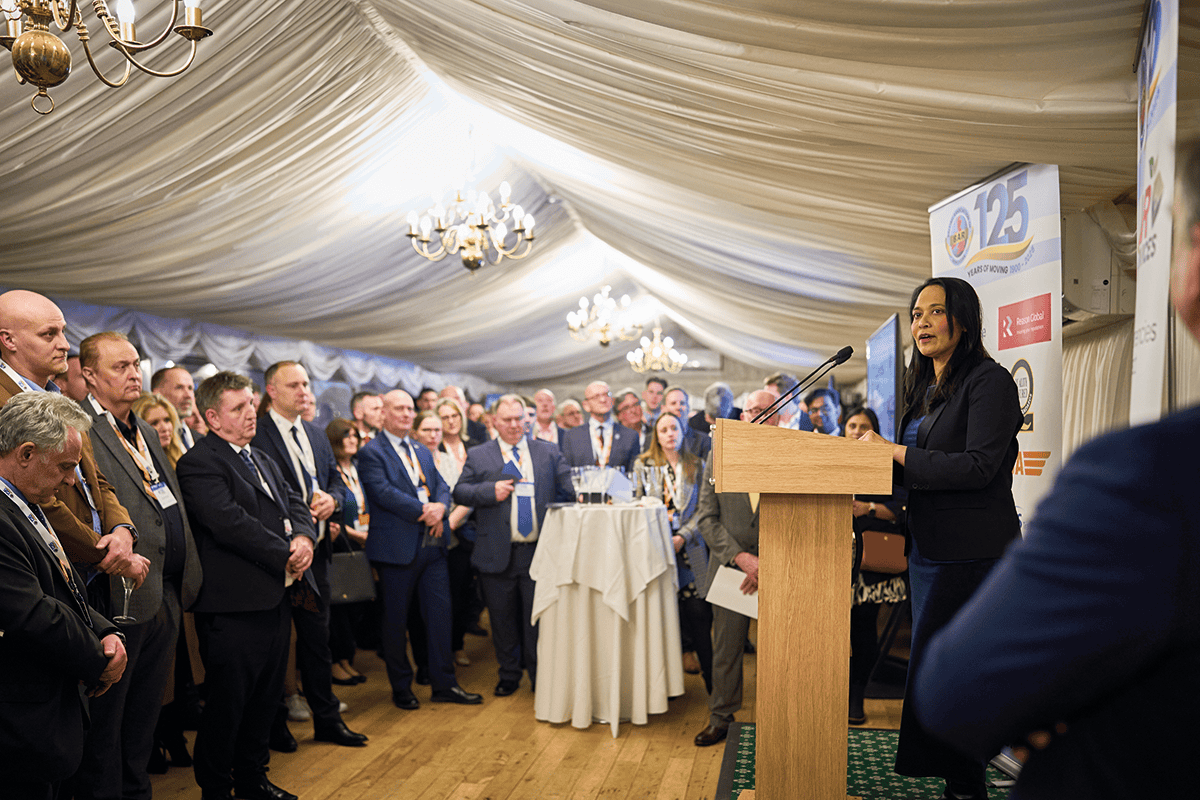
Rushanara Ali MP addressing the room
The contribution of the BAR and removals
The evening’s speeches kicked off with a light-hearted moment courtesy of Matt Turmaine, MP for Watford and sponsor of the event. As he clinked his glass with a piece of cutlery, he joked, “That’s the best part about being an MP!”
Having welcomed the audience to the reception, he applauded the BAR’s contributions over the years including the impact it has had on not just the industry, but also its members and their customers. “It’s a great pleasure to welcome you all to the 125th anniversary Parliamentary Reception of the British Association of Removers,” said Turmaine, “As the Member of Parliament for Watford, home of BAR’s headquarters, I am honoured to open this evening’s event.”
Turmaine emphasised the significance of the removals and storage sector, underscoring that it contributes over £1 billion annually to the UK economy and supports thousands of jobs. The industry, he said, plays a pivotal role in helping families transition during life’s most important events, and supports businesses during their various phases. “Every home or business move, relocation or logistical solution provided by the industry represents a moment of trust placed in its hands. BAR, as the voice of this sector, has worked tirelessly for 125 years to uphold that trust by raising standards, advocating for its members and championing innovation and workforce development.”
When talking about the BAR’s new initiative: the Apprenticeship Standard, Turmaine graciously said, “This program is a shining example of the BAR’s vision for the future,” adding, “It addresses the skills gap, creates structured career pathways and ensures the long-term sustainability of the workforce, which is crucial to your industry’s future.” He concluded with a call for collaboration between BAR and policymakers to further improve professional standards, sustainability, and workforce development saying, “We need to support industries like removals, because they are the backbone of our country.”
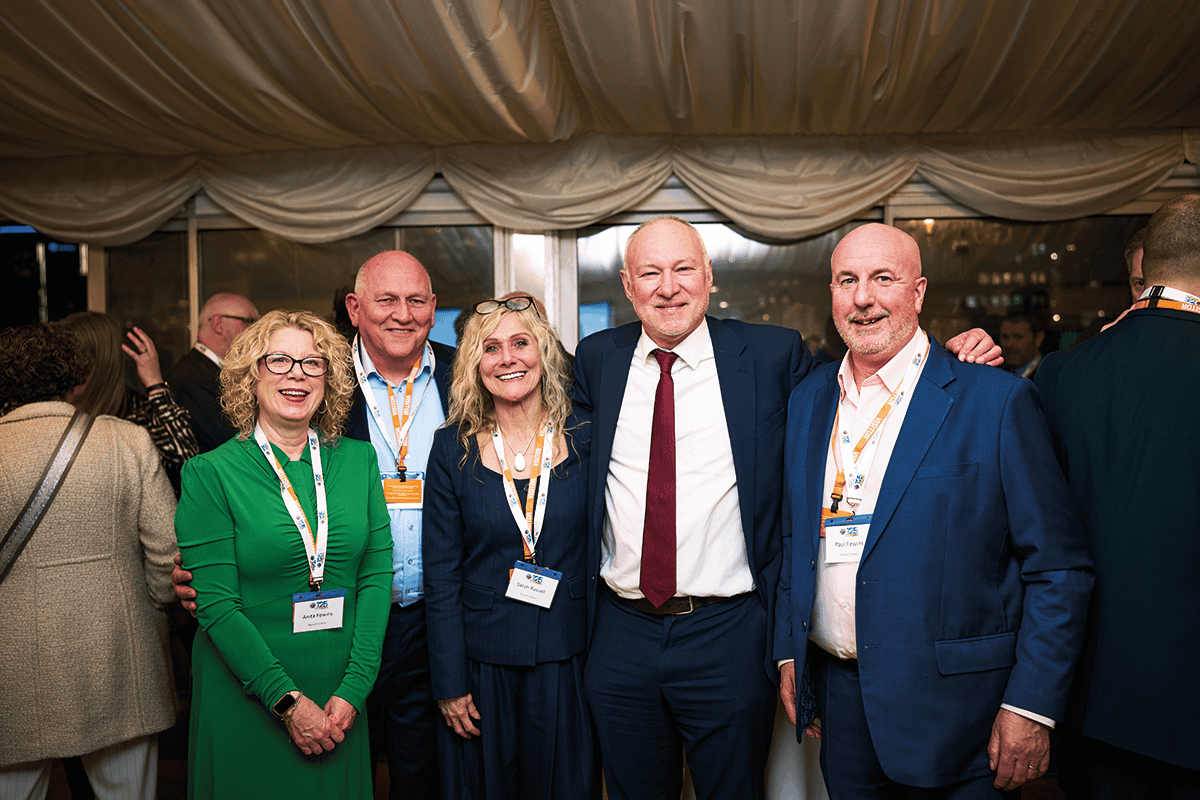
Russell Fewins with their MP Jim Dickson

The BAR Young Movers (past and present) were well represented
Acknowledging the industry’s challenges
Following Turmaine’s remarks, Rushanara Ali gave her address to the room, echoing his remarks in recognising the importance of the removals industry and its role in shaping people’s lives. It was a notable coup to have Rushanara Ali address the Parliamentary Reception. As Parliamentary Under-Secretary at the Ministry of Housing, Communities and Local Government, her office’s remit includes housebuilding and the housing market in general, to which the fortunes of most removers are linked. “I know how critical your work is – not just for the economy but for the lives of everyday people,” Ali began. “Moving homes is a significant part of everyone’s journey, whether it’s for a new family, a new job, or retirement.”
In her speech Ali acknowledged the challenges people face in the home buying process, with transactions often taking up to 22 weeks to complete, and one third of these falling through prior to completion, “Costing consumers and industry £1.4 billion a year in wasted spending, and we want to change that.” The government, she said, is committed to improving the home buying and selling process, adding, “It’s one of the first things I focused on when I was appointed. With more digital transactions to align the process we will get to the standard of countries like Norway, who do it much more efficiently. We’re taking steps to make home buying and selling more efficient, which will ultimately benefit your sector, too,” she explained.
Ali also acknowledged the removals sector’s role in helping people during both joyous and challenging life transitions. “Whether moving for the happiest of times or under difficult circumstances, your sector is there, supporting people through it all” she said, sharing that a family member had moved during the pandemic, “Which had its own challenges, and I don’t think it’s recognised enough the work you do for our families and our citizens, quietly in the background.”
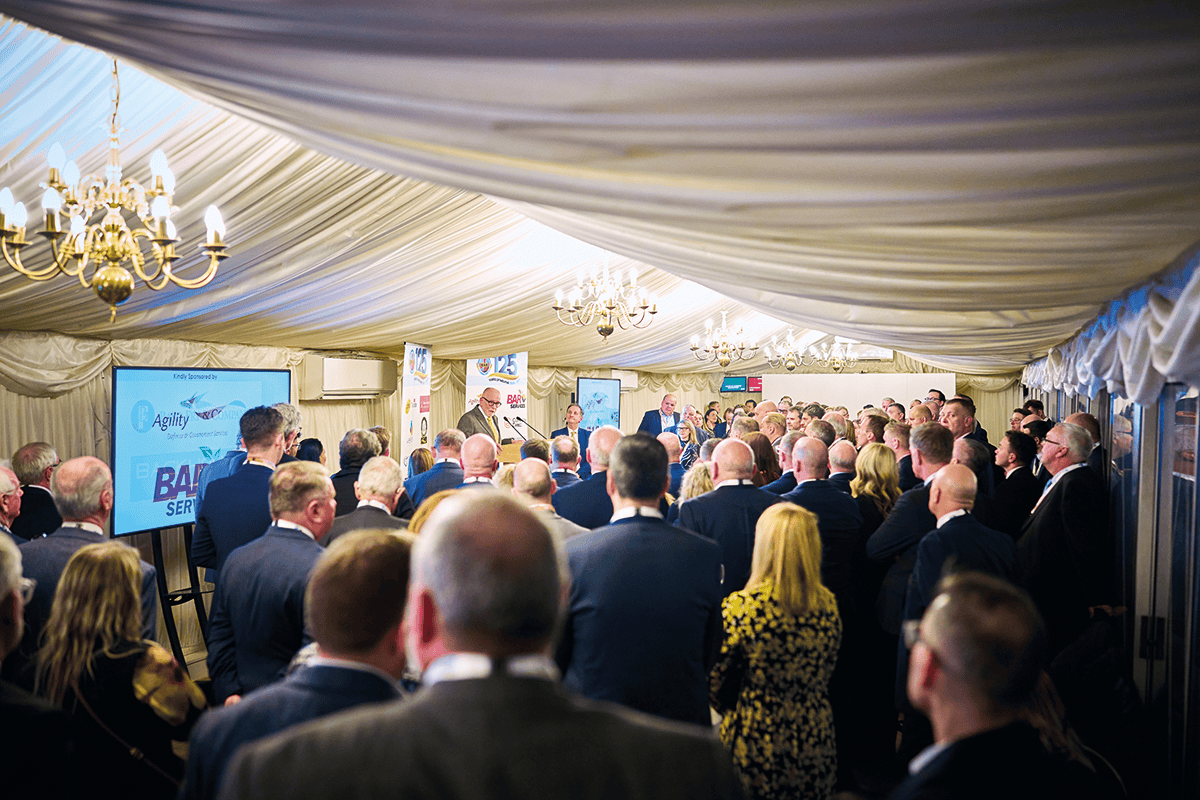
Ian Studd delivering his speech to a packed room

Gary Wheadon and Matt Purdie
Looking forward with ambition
After the speeches from the MPs, Ian Studd the BAR Director General, took the stage to discuss the Association’s Policy Manifesto and the future of the removals and storage industry. “Tonight, we are not just celebrating a milestone,” he began, “We are also looking forward to the future.” He continued by expressing gratitude to Matt Turmaine and Rushanara Ali for their support, highlighting the importance of their contributions to both BAR’s anniversary and the future of the industry. In addition to thanking the BAR Members, stakeholders, guests and sponsors for their participation and support, Ian also thanked the policymakers in attendance which included representatives from the DVSA, CTSI, Border Force and the Environment Agency saying, “Thank you for taking the time to engage with us and explore the vital contributions of our industry.”
Reflecting on the past 125 years, he highlighted BAR’s role in supporting the UK economy through its various sectors, from domestic moving to business relocations and international moves. “The removals industry is often an unsung hero,” he said. “We provide the foundation for businesses to grow, families to settle, and economies to thrive.”
Ian then turned the focus of his address to the future, acknowledging the significant challenges ahead, especially in terms of skills development and workforce sustainability. To that end, he proudly announced the official launch of BAR’s Apprenticeship Standard and the BAR Academy, which aims to address the sector’s skills gap and provide structured career pathways for the next generation of movers. “Through the BAR Academy and our partnership with TRS Training, we are ensuring that future generations of workers will have the skills they need to excel in our industry,” he explained. “And this is just the beginning. We are working on expanding this initiative across the UK, including the devolved nations, to provide equal access to career development opportunities.”

Geoff Archer and Holly Oven
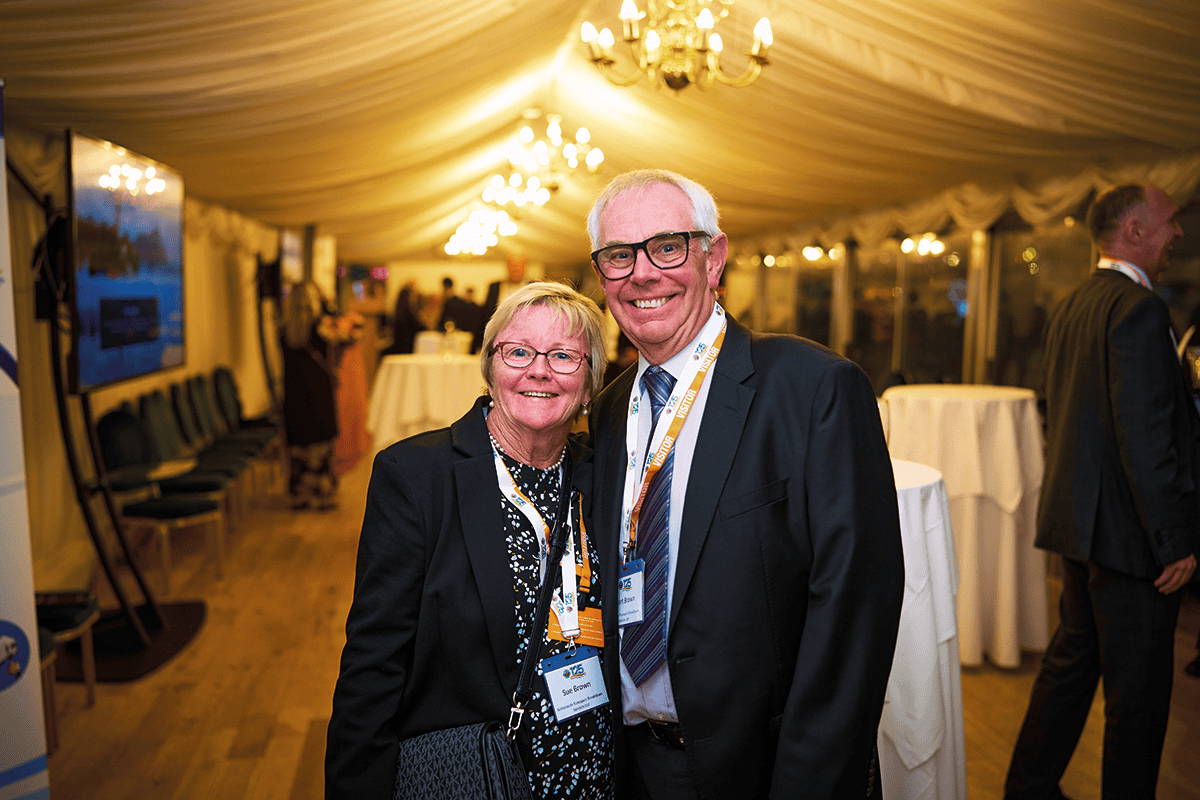
Sue and Stuart Brown of BAR Affiliate NTBS
Addressing key industry priorities
With several Parliamentarians and policymakers in attendance, Ian then took the opportunity to highlight the key priorities outlined in BAR’s Policy Manifesto, expressing the need for collaboration between the removals industry and policymakers, to address the key challenges the industry is facing. These included calls for fairer taxation, improvements in sustainability practices, better housing market reforms, and enhanced professional standards. Following on from the Under-Secretary’s speech, Ian reiterated the need for predictable transaction timelines in housing market sales, which he said would ease the challenges of staff recruitment and retention that movers currently face and deliver a smoother moving experience for the consumer.
“A key issue facing the sector is unregulated operators,” Ian said, adding, “It’s essential that we improve professional standards across the board to ensure a level playing field for all businesses.”
Sustainability, too, was high on the agenda, Ian calling for practical policies that support the transition to cleaner technologies. “We fully support the move toward greener technologies,” he said, “But it’s crucial that the policies reflect the realities of our sector, including the lifespan of commercial vehicles, the need for exemptions from clean air zone charges and accessible financial support for vehicle upgrades, which are vital for our businesses to remain competitive.”
Other issues, such as inheritance tax, were also discussed, with Ian emphasising the need for reforms that would allow businesses to reinvest and grow. As a final request, he urged a fairer approach to the application of penalties under the clandestine entrant penalty scheme to better protect compliant businesses and their staff.
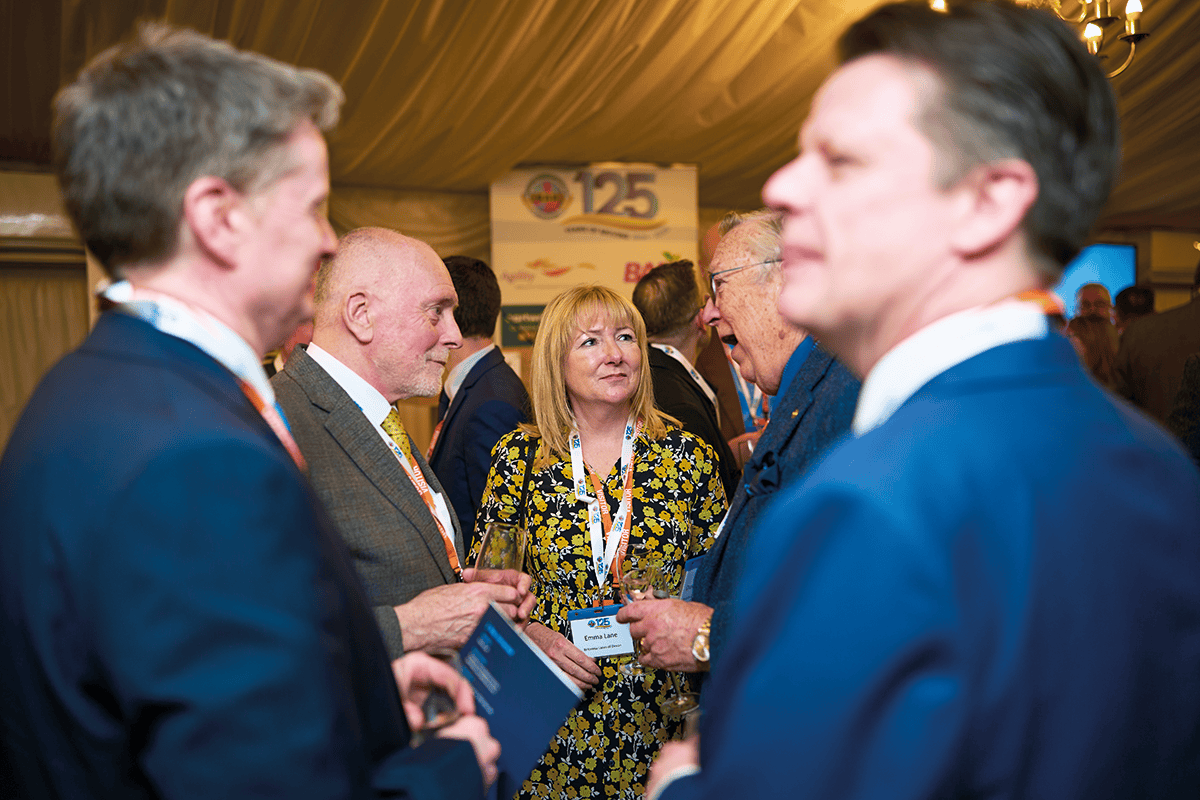
Ian Studd, Emma Lane and David Trenchard

Robert Syers, BAR General Secretary (1996-2009)
A commitment to collaboration and future success
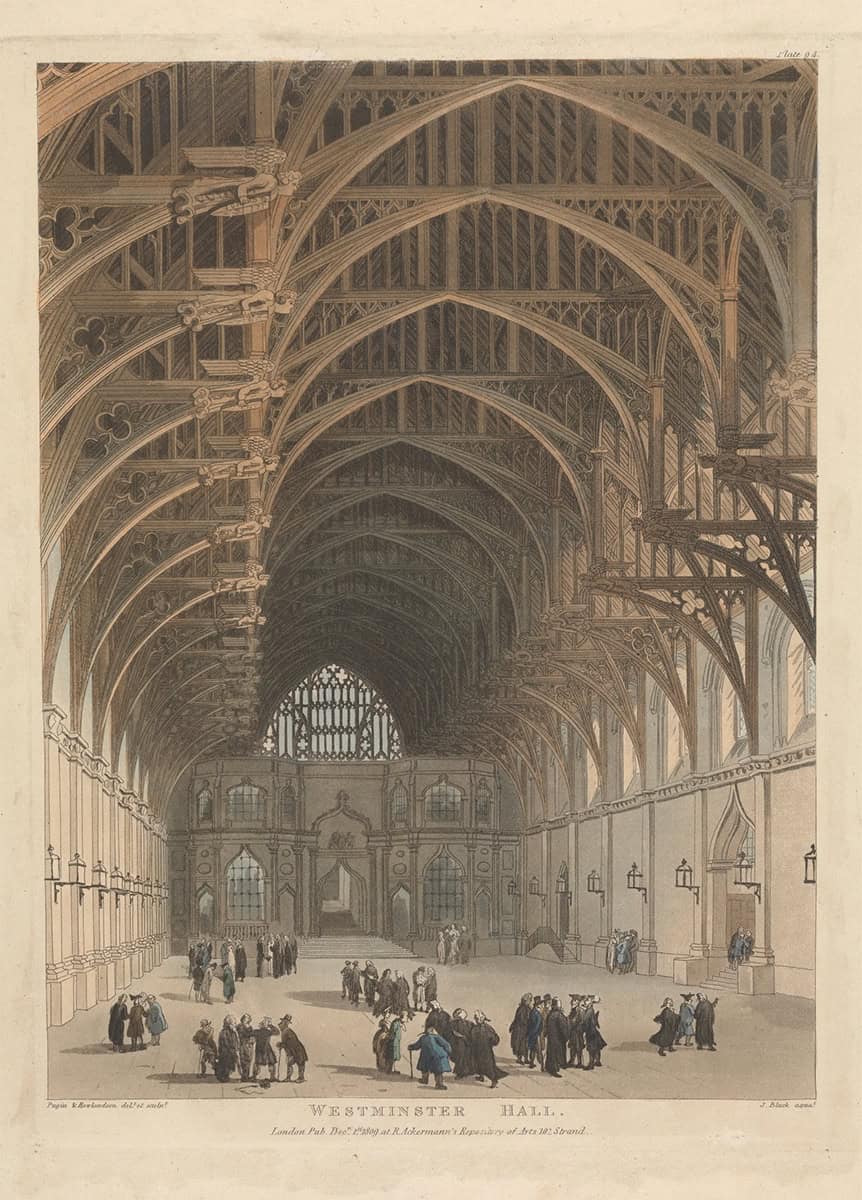
With the event concluded, attendees left the Houses of Parliament via the medieval Westminster Hall with a sense of optimism; feeling encouraged and inspired by the speeches they’d heard, and appreciative to have been part of the occasion. The evening was a reminder that the removals and storage sector is more than just a service industry; it is a vital component of the UK economy, one that helps move not just people and possessions, but also the entire country forward. As Ian Studd put it, “The future of the removals industry is bright, but only if we continue to work together – industry leaders, policymakers, and stakeholders alike. With collaboration, innovation, and a shared vision for the future, we can overcome the challenges ahead and ensure that our industry remains a thriving part of the UK’s economy for generations to come.”
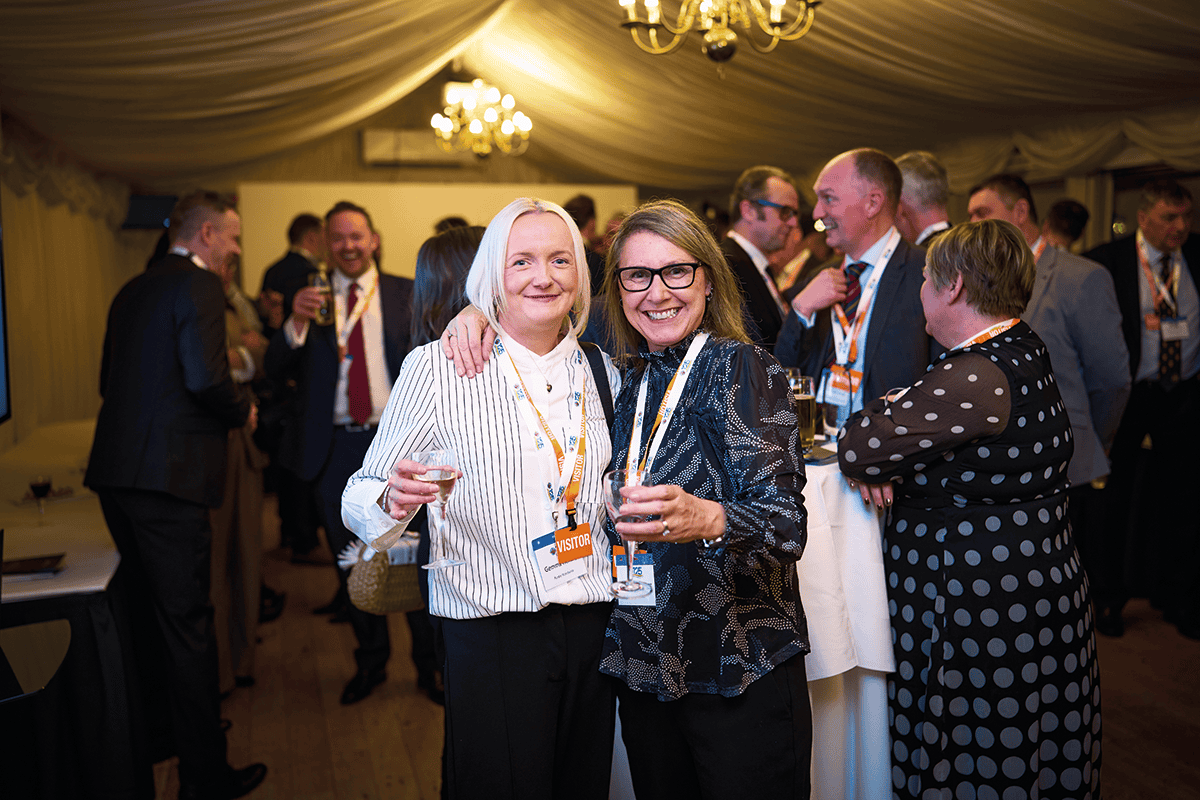
Gemma Hendry and Geraldine Collett

Simon Hood and Daniel Reynolds
The BAR – leading the way
The BAR’s 125th anniversary reception was a historic occasion, not just for the Association but for the entire removals and storage sector. As the evening highlighted, the industry’s contributions to the UK economy are vast and varied though often unrecognised; from the crucial role it plays in people’s lives to its impact on business growth and international trade.
With the launch of the Apprenticeship Standard and the BAR Academy, as well as a renewed focus on collaboration with policymakers, the future of the removals and storage industry looks bright. And if the energy and enthusiasm at this Parliamentary Reception are anything to go by, the industry – with the BAR leading the way – is more than ready to tackle the challenges and opportunities of the future. In the words of Matt Turmaine MP, “Here’s to another 125 years of professionalism, innovation, and growth!”
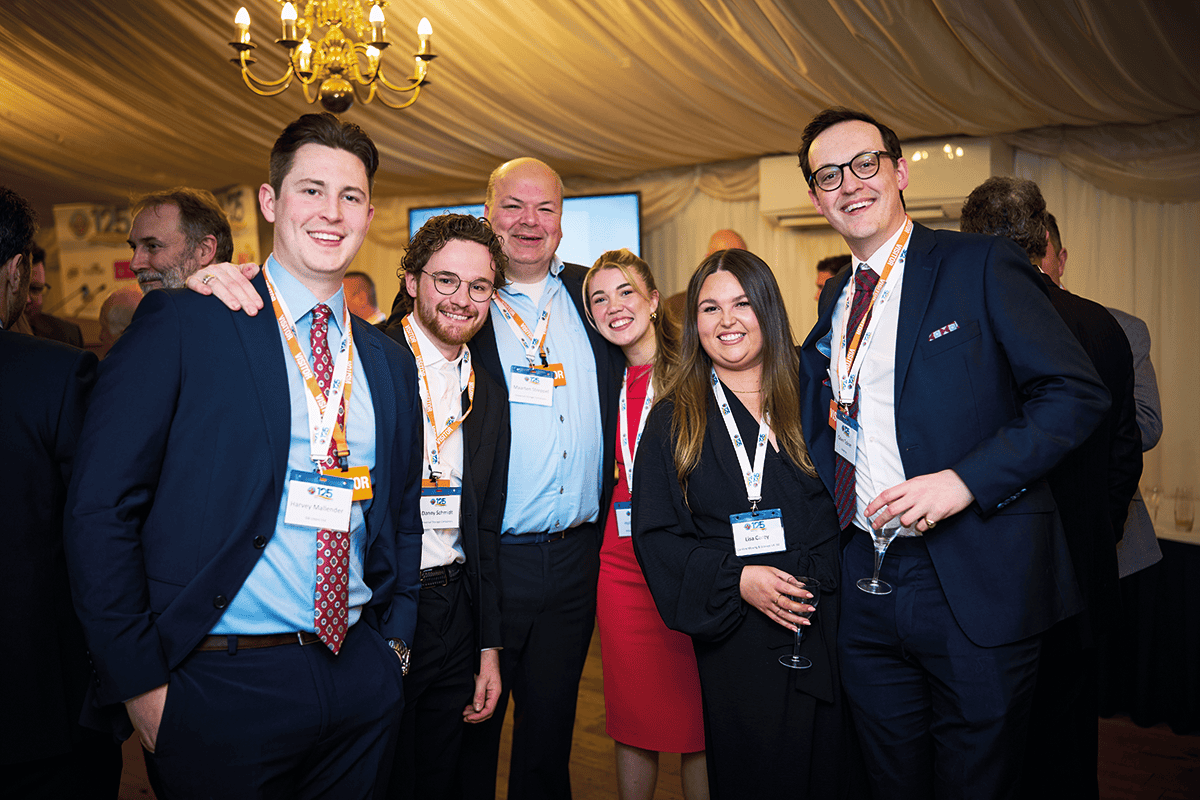
Harvey Mallender and Holly Oven flanking Danny Schmidt and Maarten Streppel of USC

Mairead Almandras and father Stuart Almandras
The Palace of Westminster: a history
Commonly called the Houses of Parliament after the House of Commons and the House of Lords, the two legislative chambers which occupy the building; the Palace is one of the centres of political life in the United Kingdom.
The building was originally constructed in the eleventh century as a royal palace and was the primary residence of the kings of England until 1512, when a fire destroyed the royal apartments. The monarch moved to the adjacent Palace of Whitehall, but the remainder of the palace continued to serve as the home of the Parliament of England, which had met there since the 13th century.
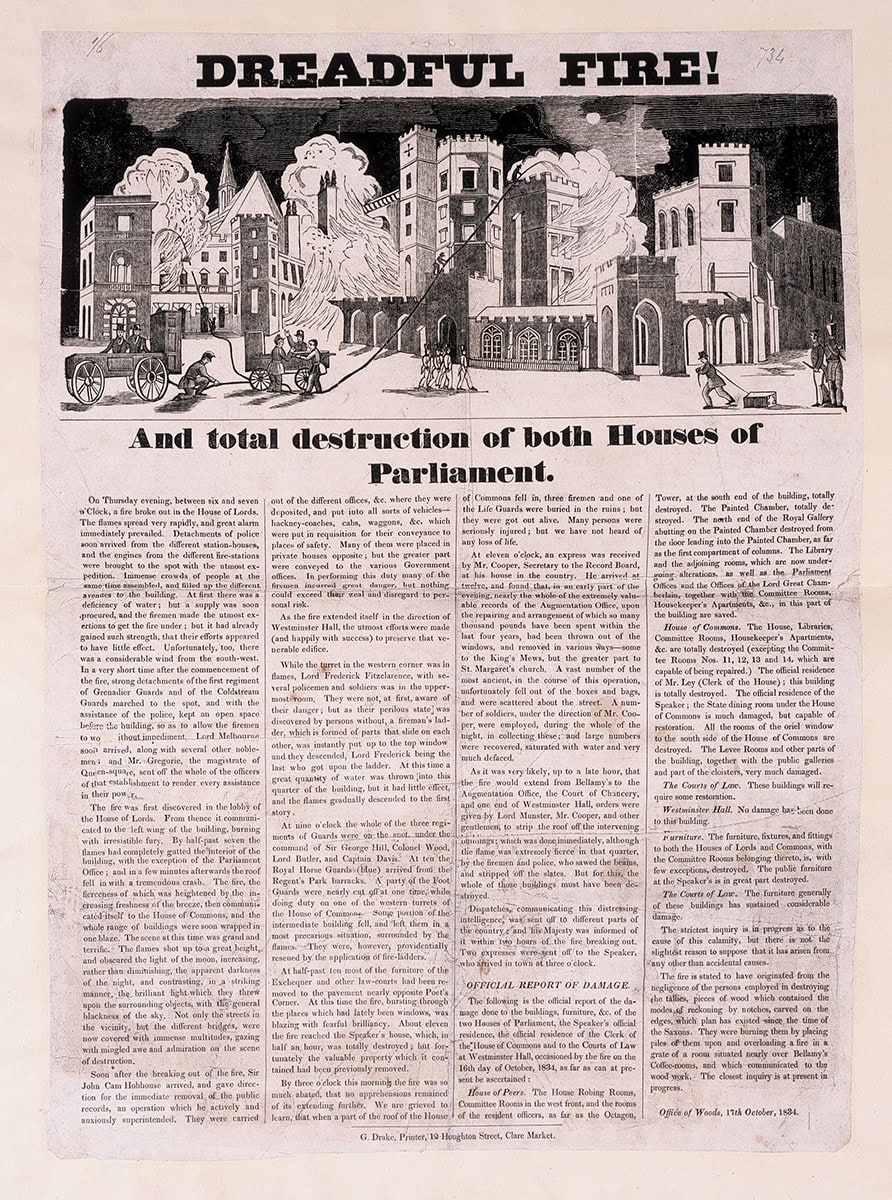
To accommodate a new Court of Bankruptcy, in 1834 it was decided that a space hosting an abundant amount of wood would be emptied, and the material inside burned. The furnaces of the House of Lords, however, overheated and started a fire which destroyed much of the palace, though the twelfth century Westminster Hall was saved and incorporated into the replacement building. Architect Charles Barry won a competition to design the new palace, choosing a Gothic Revival style for the building, which contributed to the proliferation of Gothic Revival architecture around the world. The rebuild which suffered delays, cost overruns – and Barry’s death in 1859 – took 30 years to complete (1840 to 1870). The old chamber of the House of Commons was later destroyed by German Luftwaffe bombs during WW2. Despite further conservation work having been carried out since, the palace is in urgent need of major repairs, which are estimated to cost between £11bn and £22bn and take in the region of 46 to 76 years.